Healthy Teriyaki Sauce

Posted: 07/02/26
This post may contain affiliate links. Please read our disclosure policy.
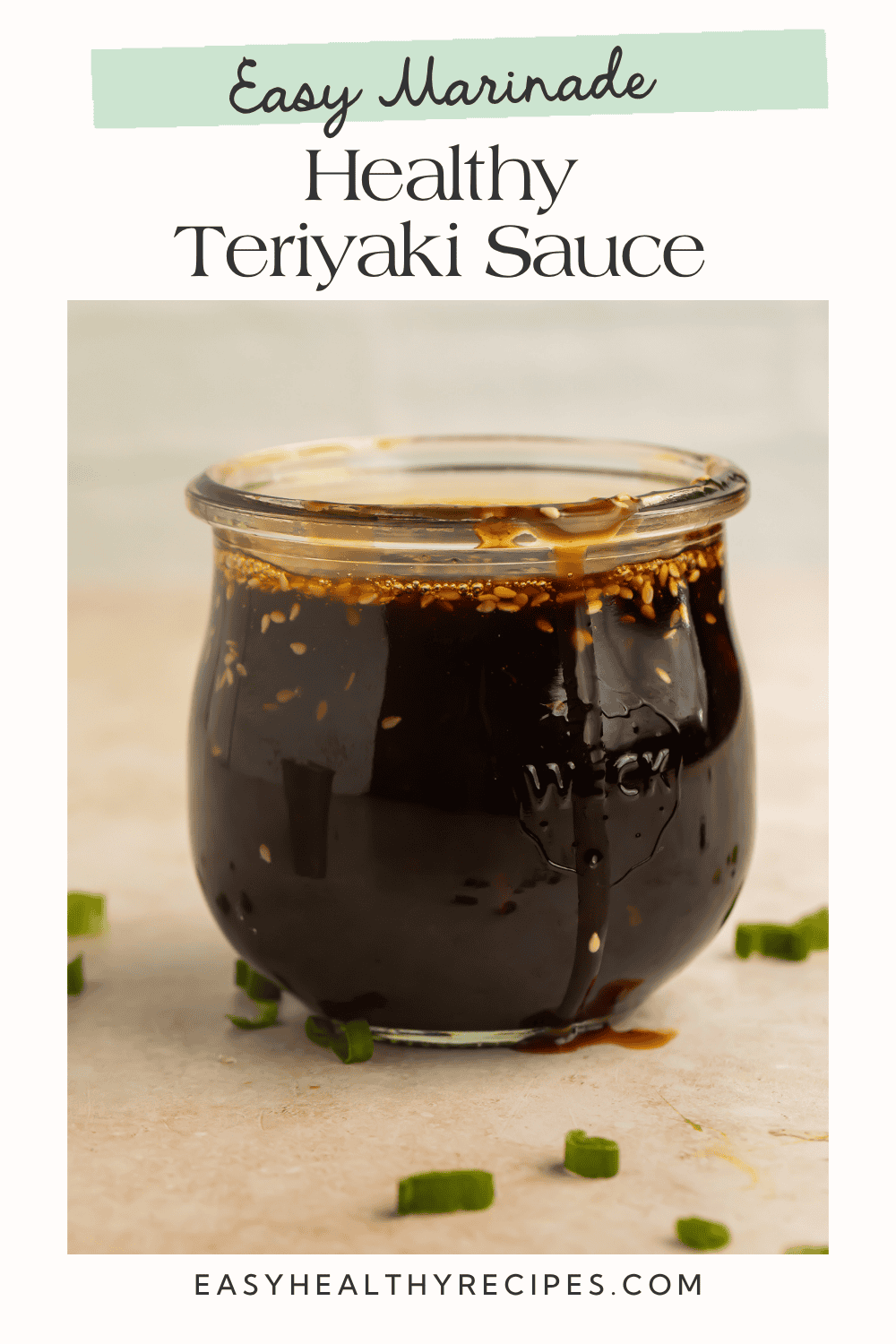
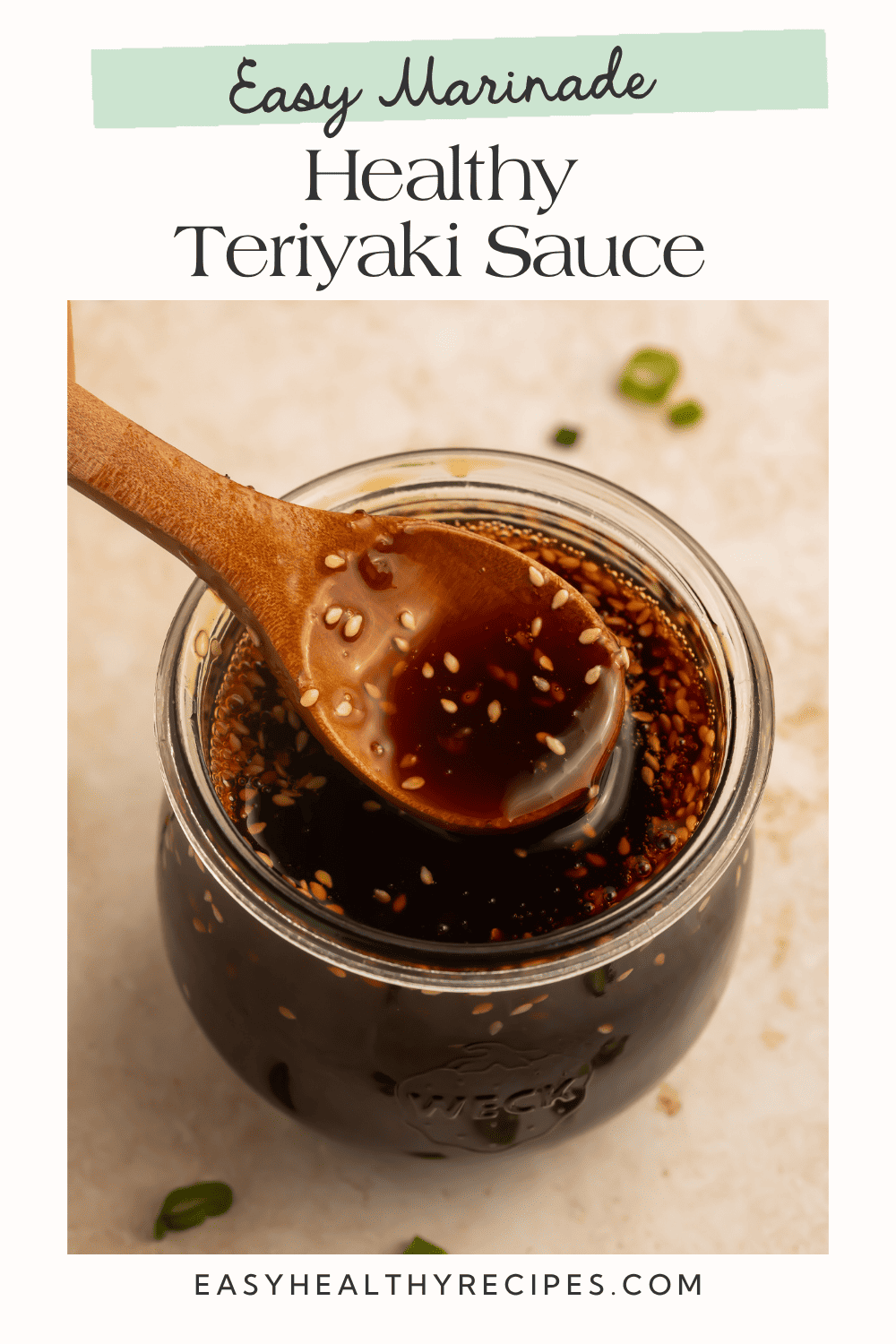
Add this to your cooking repertoire, because this glossy, sweet-savory Teriyaki Sauce tastes amazing on salmon, chicken, stir-fries, rice bowls, or vegetables, but the best part is that it doesn’t have refined sugar or mystery ingredients. I promise, once you make this teriyaki sauce recipe, the bottled stuff just won’t compare!
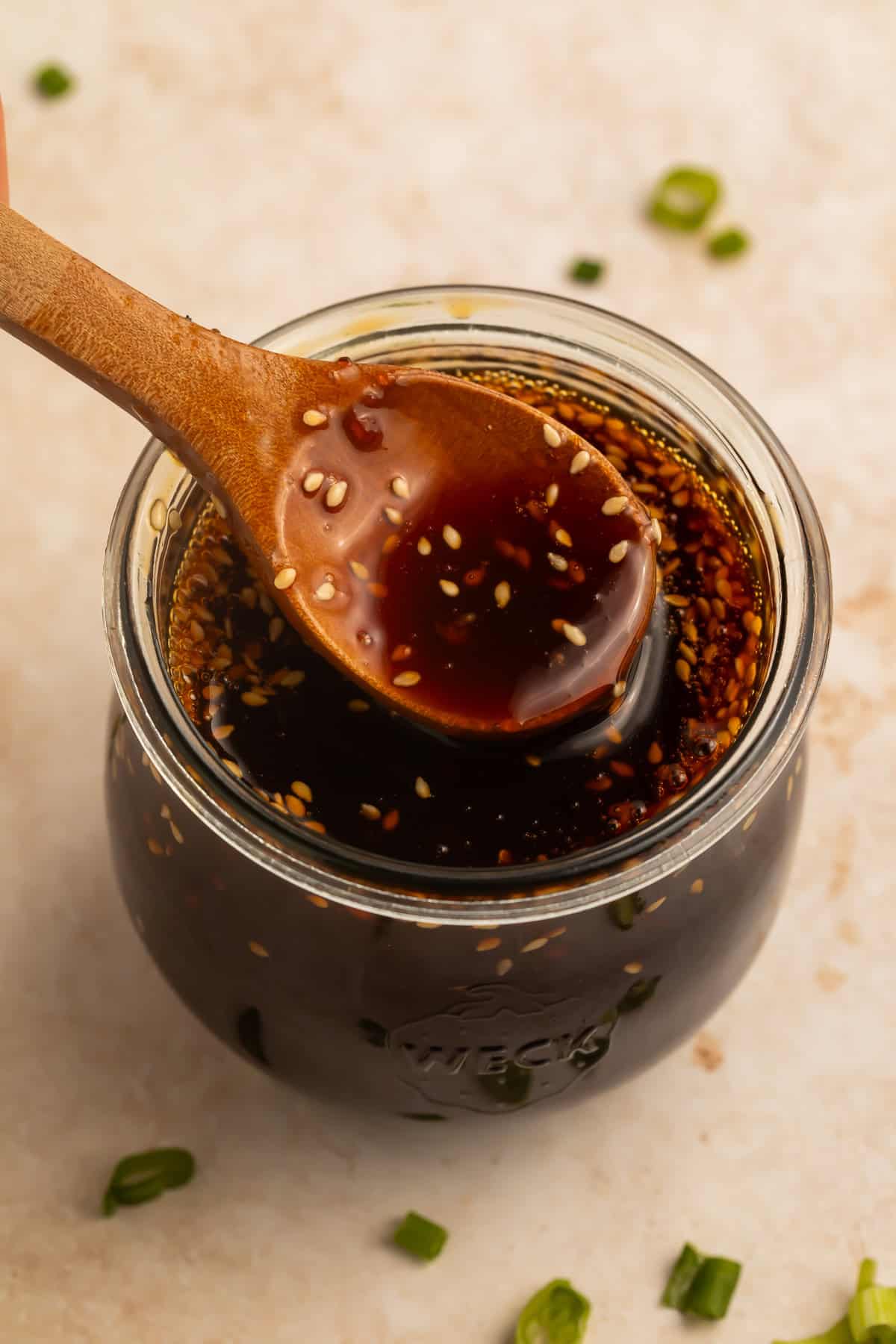
What Makes This Teriyaki Sauce Different
- Unlike many bottled teriyaki sauces, I like how this version skips preservatives, corn syrup, and ingredients I can’t pronounce. Every ingredient serves a purpose and contributes real flavor.
- The combo of fresh garlic and ginger gives the sauce a brighter, fresher flavor than most store-bought versions. It tastes homemade because it is, and allows me to feel confident in what I serve my family.
- I love adaptability, and this teriyaki sauce is super easy to customize for different dietary needs! Simple swaps make it gluten-free, paleo-friendly, or Whole30 compatible (psst.. read below to find out more).
Cheryl’s Tested Notes Tips
- Keep whisking once you add the slurry. The sauce thickens quickly, and constant whisking helps prevent lumps. I’ve been there and didn’t whisk consistently enough, ending up with a lumpy mess (thumbs down).
- Don’t freak out if the sauce looks slightly thin. Remember that the sauce will continue thickening as it cools. If it starts out looking thin, that means you’re on the right track!
- Definitely use freshly grated ginger. It adds a brighter flavor than dried ginger and really helps the sauce taste fresh, and gives it flavor depth.
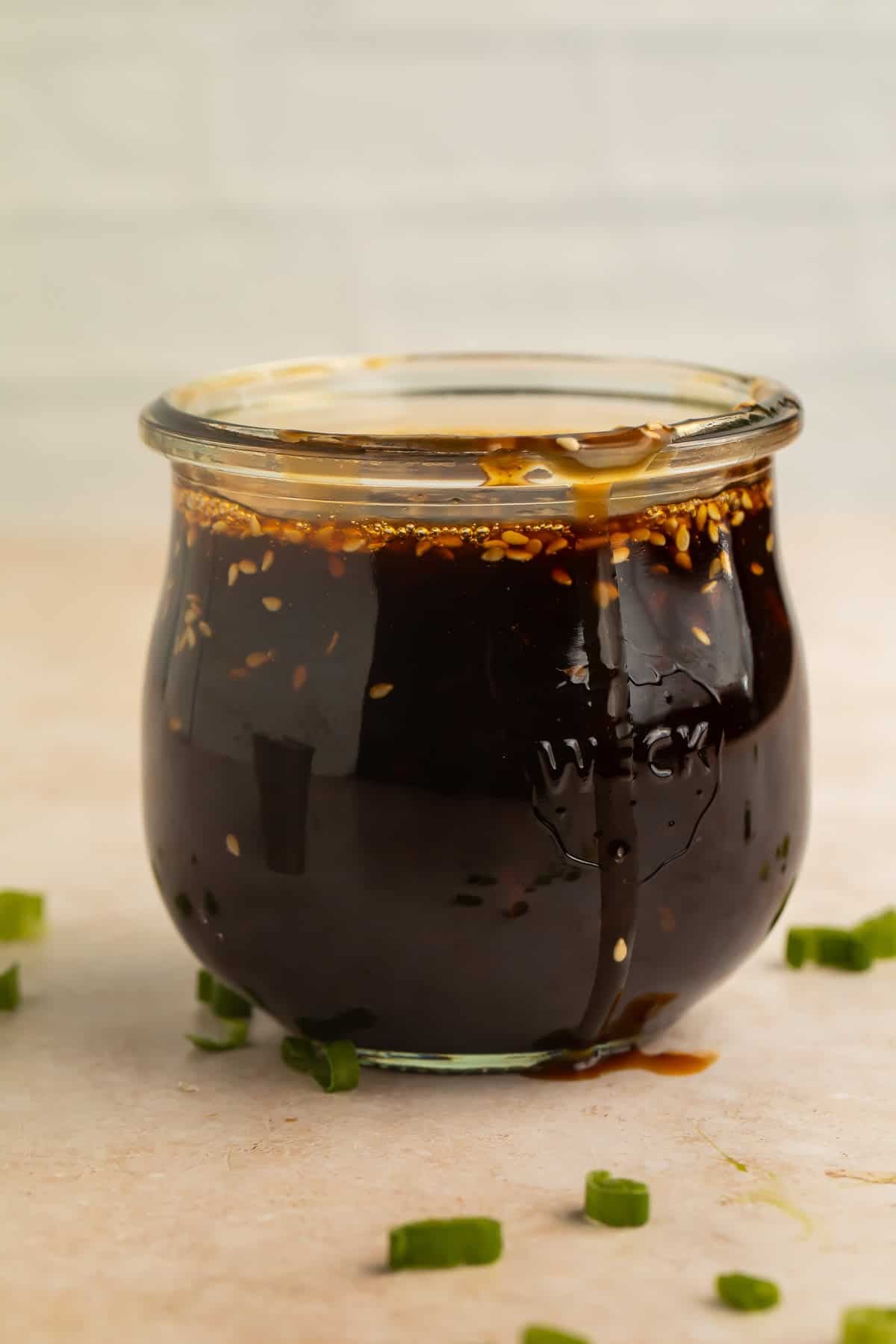
Ingredient Notes
- Low-sodium soy sauce creates the savory foundation. I recommend using low-sodium so you can better control the level of saltiness. Tamari works well too, if you’d like to keep the sauce gluten-free.
- Honey adds that signature sweetness and shine. It balances the salty soy sauce and helps create that sticky, glossy texture we all love. Sounds out there, but maple syrup is a great substitute for a slightly deeper, richer flavor (try it!).
- Sesame oil brings classic teriyaki flavor. A small amount goes a long way, bringing a nutty richness to the sauce. If you’re out, you can omit it, though the flavor won’t be quite as good or traditional!
- Fresh garlic and ginger make a noticeable difference. They add bold flavor and help the sauce taste homemade rather than bottled. Fresh is definitely worth it here, and so easy to grab at the market.
Serving Suggestions
- Salmon or chicken. Brush it on either of these as a marinade, then fry or grill. The sweet-savory flavor caramelizes during the final minutes of cooking and moistens your meat (and tastes soo good).
- Stir-fried vegetables. Coat broccoli, snap peas, bell peppers, and carrots in this sauce for a sweet touch.
- Rice bowls. So great for meal prep, this sauce adds instant flavor to grains, proteins, and vegetables.
- Potstickers or chicken skewers. I use this yummy sauce as a dip for not just skewers or potstickers, but also spring rolls and crispy tofu. Make it a full Asian-inspired night for the fam!
Storage & Make-Ahead
- Refrigerator: Store in an airtight jar or container for up to 2 weeks.
- Freezer: Freeze in a container or ice cube tray for up to 3 months. Thaw overnight in the refrigerator before using.
- Make-Ahead: This sauce is so great for meal prep. Make a batch ahead of time and use it throughout the week over chicken, salmon, or stir-fries.
Recipe FAQs
- Is homemade teriyaki sauce healthier than store-bought? I like how this homemade teriyaki sauce lets me control the ingredients and avoid preservatives, artificial flavors, and excess sweeteners commonly found in bottled versions. I feel better serving it to my family!
- Can I use this as a marinade? Absolutely! Just reserve a portion before adding raw meat if you plan to use some as a finishing sauce later.
- Why is my teriyaki sauce too thin? Patience is everything here, as it likely needs another minute or two of simmering. Keep in mind that the sauce will also thicken as it cools.
If you loved this recipe as much as we did, don’t forget to leave us a review below. ★ Follow Easy Healthy Recipes on Pinterest, Facebook, and Instagram, too!
For more delicious recipes, visit our sister sites, 40 Aprons and Easy Cheap Recipes.
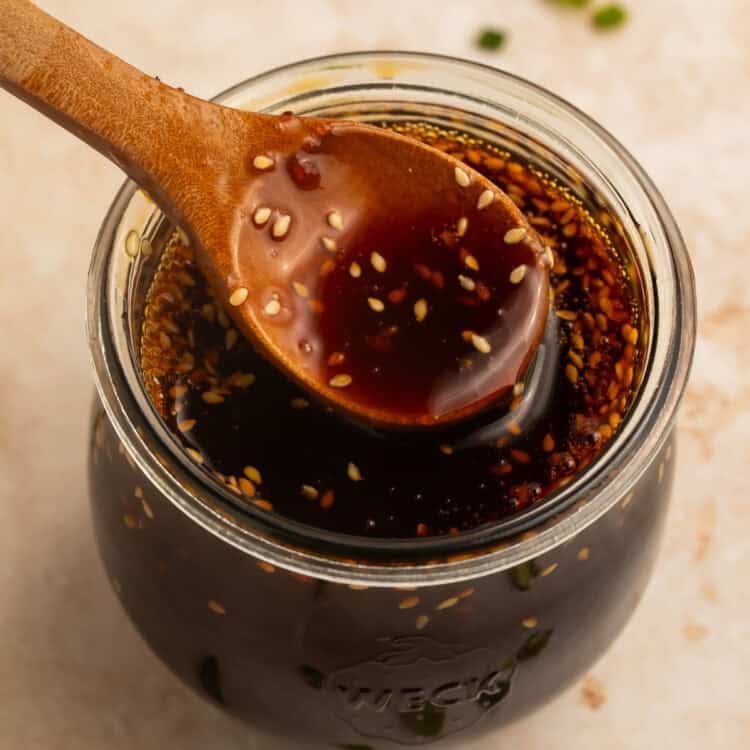
Healthy Teriyaki Sauce
Add this to your cooking repertoire, because this glossy, sweet-savory Teriyaki Sauce tastes amazing on salmon, chicken, stir-fries, rice bowls, or vegetables. And the best part is it's full-stop healthier than the bottled version.

Ingredients
- 1 cup low-sodium soy sauce see notes
- ¾ cup honey
- 3 tablespoons rice wine vinegar
- 1 tablespoon sesame oil
- 2 cloves garlic, minced
- 1 teaspoon fresh ginger, grated
- 2 teaspoons cornstarch
- 3 teaspoons cold water
- sesame seeds, for garnish optional
- sliced green onions, for garnish optional

Equipment
- Small saucepan
- Small mixing bowl
- whisk
- microplane or fine grater
Instructions
- Add 1 cup low-sodium soy sauce, ¾ cup honey, 3 tablespoons rice wine vinegar, 1 tablespoon sesame oil, 2 minced garlic cloves, and 1 teaspoon grated ginger to a small saucepan.
- Set the saucepan over medium heat and whisk until the honey dissolves and everything is well combined. Bring the mixture to a gentle simmer and cook for 3-4 minutes, stirring occasionally.
- While the sauce simmers, whisk together 2 teaspoons cornstarch and 3 teaspoons cold water in a small bowl until completely smooth.
- Slowly drizzle the cornstarch slurry into the simmering sauce while whisking constantly. Continue cooking and whisking for 1 to 2 minutes, or until the sauce is thick enough to coat the back of a spoon.
- Remove the saucepan from the heat. Stir in sesame seeds and sliced green onions, if desired. Use immediately or allow the sauce to cool before storing.
Notes
Make it Gluten-Free: Use tamari or gluten-free soy sauce in place of the soy sauce.
Make it Paleo: Swap the soy sauce for coconut aminos and use arrowroot powder instead of cornstarch.
Use Arrowroot Instead of Cornstarch: Arrowroot powder thickens the sauce similarly to cornstarch and creates a glossy finish. Use the same amount called for in the recipe.
Maple Syrup Instead of Honey: Maple syrup adds a slightly deeper, richer sweetness while still keeping the sauce naturally sweetened.
Adjust the Sweetness: To tweak the sweetness level, start with ½ cup honey instead of ¾ cup, then add more to taste if needed.
Nutrition Information
Calories: 135kcal | Protein: 3g | Fat: 2g | Saturated Fat: 0.3g | Total Carbs: 29g | Fiber: 0.3g | Sugar: 26g | Net Carbs: 28.7g | Vitamin C: 0.4mg | Sodium: 1149mg | Potassium: 133mg | Calcium: 13mg | Iron: 1mg
Number of total servings shown is approximate. Actual number of servings will depend on your preferred portion sizes.
Nutritional values shown are general guidelines and reflect information for 1 serving using the ingredients listed, not including any optional ingredients. Actual macros may vary slightly depending on specific brands and types of ingredients used.
To determine the weight of one serving, prepare the recipe as instructed. Weigh the finished recipe, then divide the weight of the finished recipe (not including the weight of the container the food is in) by the desired number of servings. Result will be the weight of one serving.
Leave a Comment